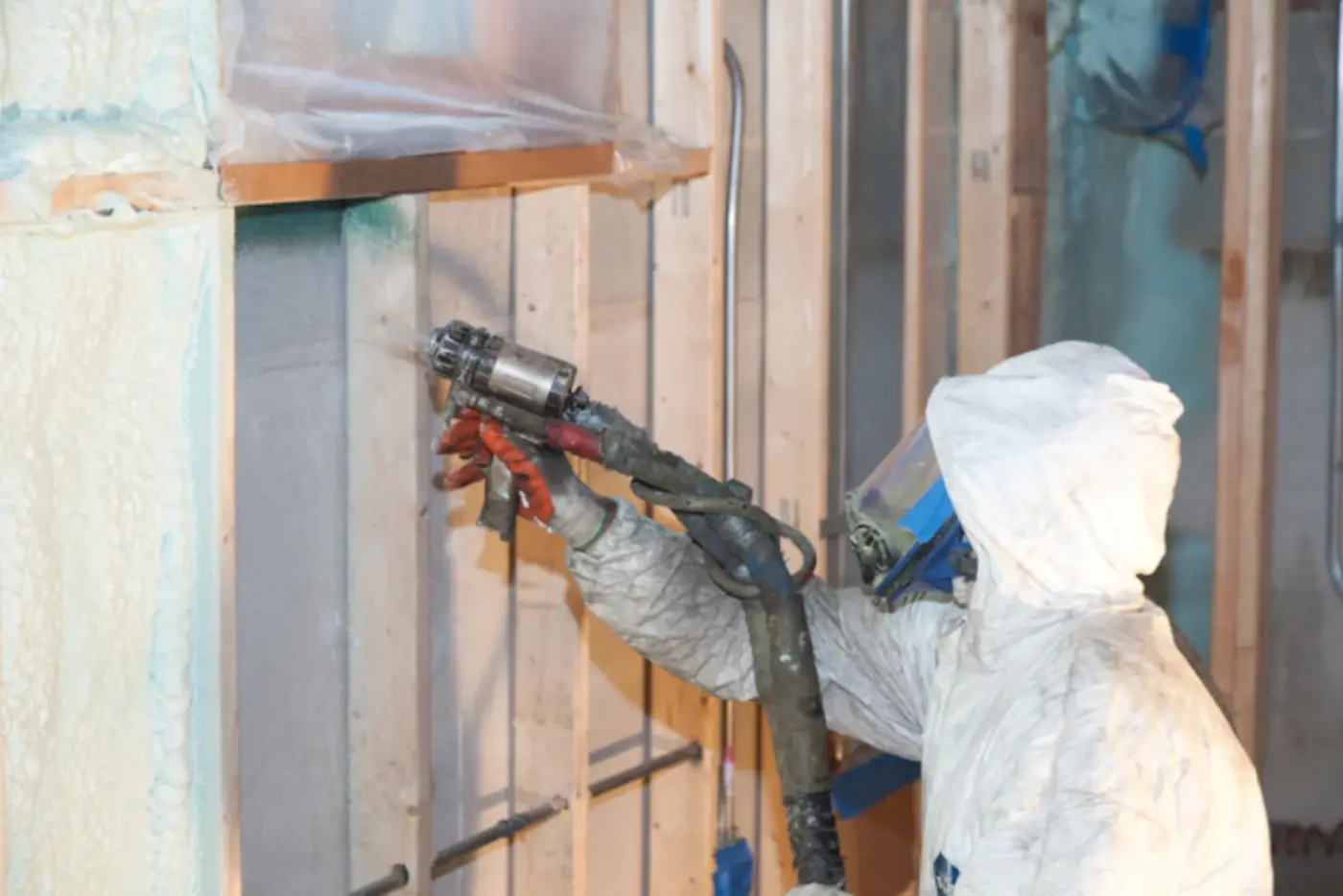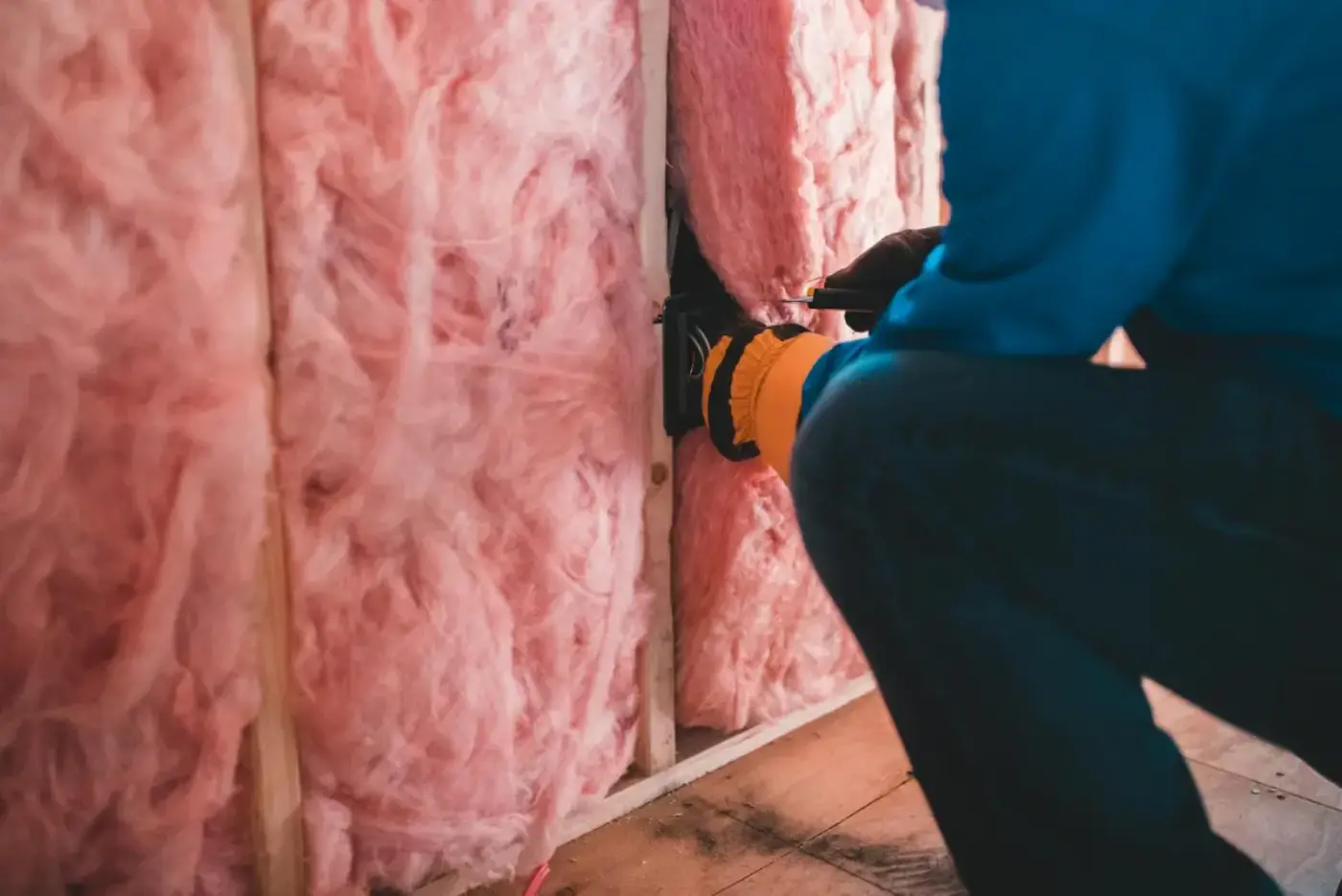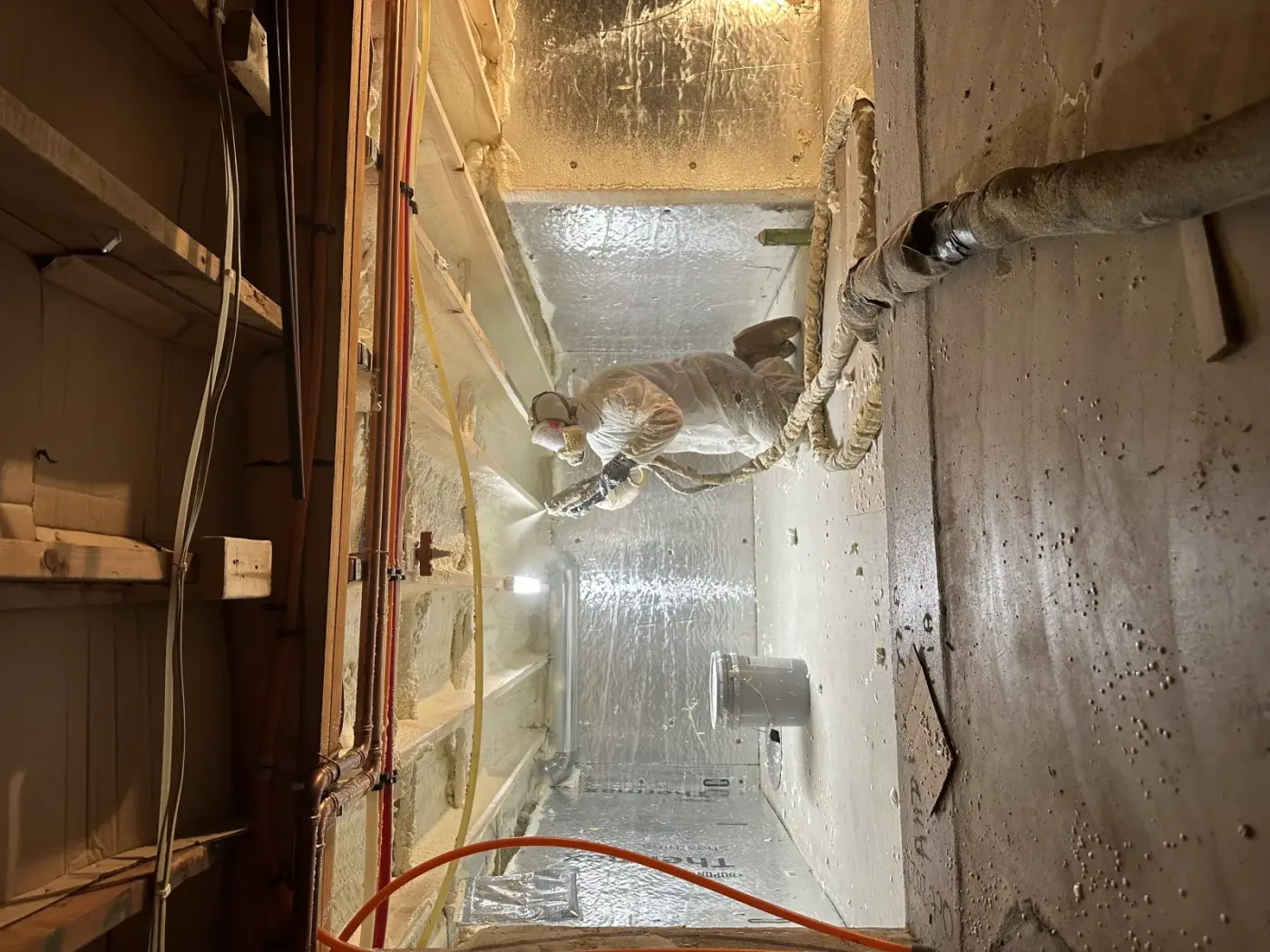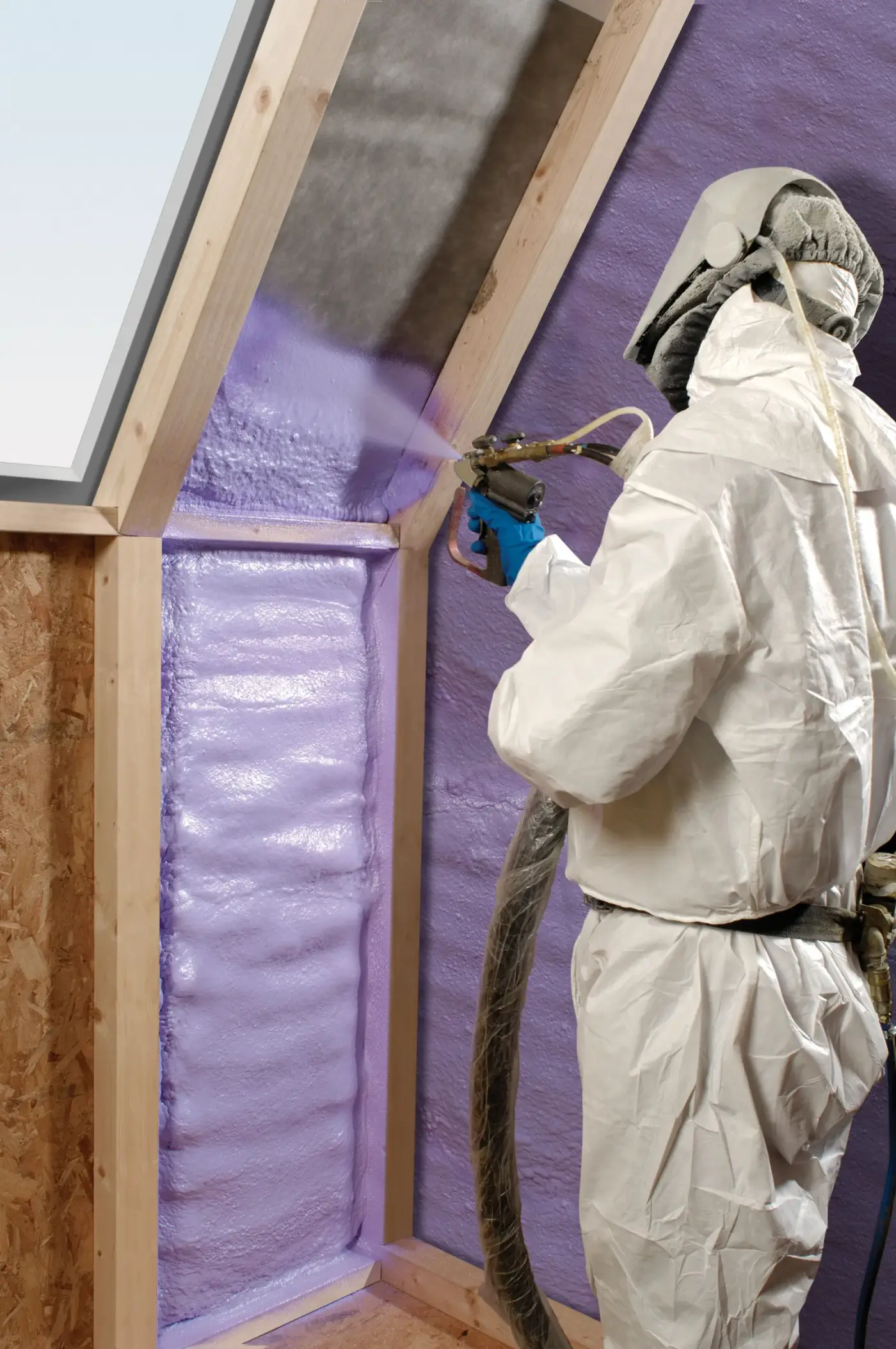
Commercial Spray Foam is usually worth discussing when the issue affects the way the property drains, performs, looks, or can be used. Around Denver, the first call should include property type, access, timing, and photos.
When this service fits
Use this page when one of these situations sounds close to your project:
- utility costs or comfort complaints are rising
- tenant spaces need better separation
- a retrofit must be staged around business operations
Denver details that change the recommendation
Denver insulation calls usually involve cold-weather air leakage, hot upper floors, rim joists, crawl spaces, garages, and metal buildings along the Front Range. For commercial spray foam, a practical recommendation should also account for temperature swings that reveal air leaks around attics, rim joists, and crawl spaces and older basements and crawl areas where comfort and moisture planning overlap.
Scope factors to describe
- work schedule
- occupancy
- fire barrier requirements
- access equipment
- containment and ventilation
Process questions to ask
The call should clarify the steps below before scheduling:
- Building Inspection: account for temperature swings that reveal air leaks around attics, rim joists, and crawl spaces.
- Scope And Foam Selection: account for older basements and crawl areas where comfort and moisture planning overlap.
- Prep And Masking: account for garages, shops, and additions that need air sealing before finishing work.
- Foam Install: account for temperature swings that reveal air leaks around attics, rim joists, and crawl spaces.
- Trim, Cleanup, And Ventilation Review: account for older basements and crawl areas where comfort and moisture planning overlap.