Skip to content
Open-Cell vs Closed-Cell Foam

Open-Cell vs Closed-Cell Foam in Denver

Open-Cell vs Closed-Cell Foam helps with choosing the right foam type for walls, attics, garages, and metal buildings around Denver, CO.

Use this page to identify symptoms, scope factors, local conditions, and useful questions before calling.

Call Now
Denver service-area focus
Scope-first guidance
Call Now(983) 213-6957
Local scopetemperature swings that reveal air leaks around attics, rim joists, and crawl spaces
Useful first callAttic, crawl-space, garage, and metal-building calls
Clear scopePhotos, access, and timing help

Open-Cell vs Closed-Cell Foam is usually worth discussing when the issue affects the way the property drains, performs, looks, or can be used. Around Denver, the first call should include property type, access, timing, and photos.

When this service fits

Use this page when one of these situations sounds close to your project:

  • the project needs help choosing foam type
  • moisture and vapor control matter
  • sound, budget, or thickness goals are unclear

Denver details that change the recommendation

Denver insulation calls usually involve cold-weather air leakage, hot upper floors, rim joists, crawl spaces, garages, and metal buildings along the Front Range. For open-cell vs closed-cell foam, a practical recommendation should also account for temperature swings that reveal air leaks around attics, rim joists, and crawl spaces and older basements and crawl areas where comfort and moisture planning overlap.

Scope factors to describe

  • assembly type
  • code requirements
  • vapor behavior
  • thickness
  • fire/thermal barrier details

Process questions to ask

The call should clarify the steps below before scheduling:

  1. Building Inspection: account for temperature swings that reveal air leaks around attics, rim joists, and crawl spaces.
  2. Scope And Foam Selection: account for older basements and crawl areas where comfort and moisture planning overlap.
  3. Prep And Masking: account for garages, shops, and additions that need air sealing before finishing work.
  4. Foam Install: account for temperature swings that reveal air leaks around attics, rim joists, and crawl spaces.
  5. Trim, Cleanup, And Ventilation Review: account for older basements and crawl areas where comfort and moisture planning overlap.
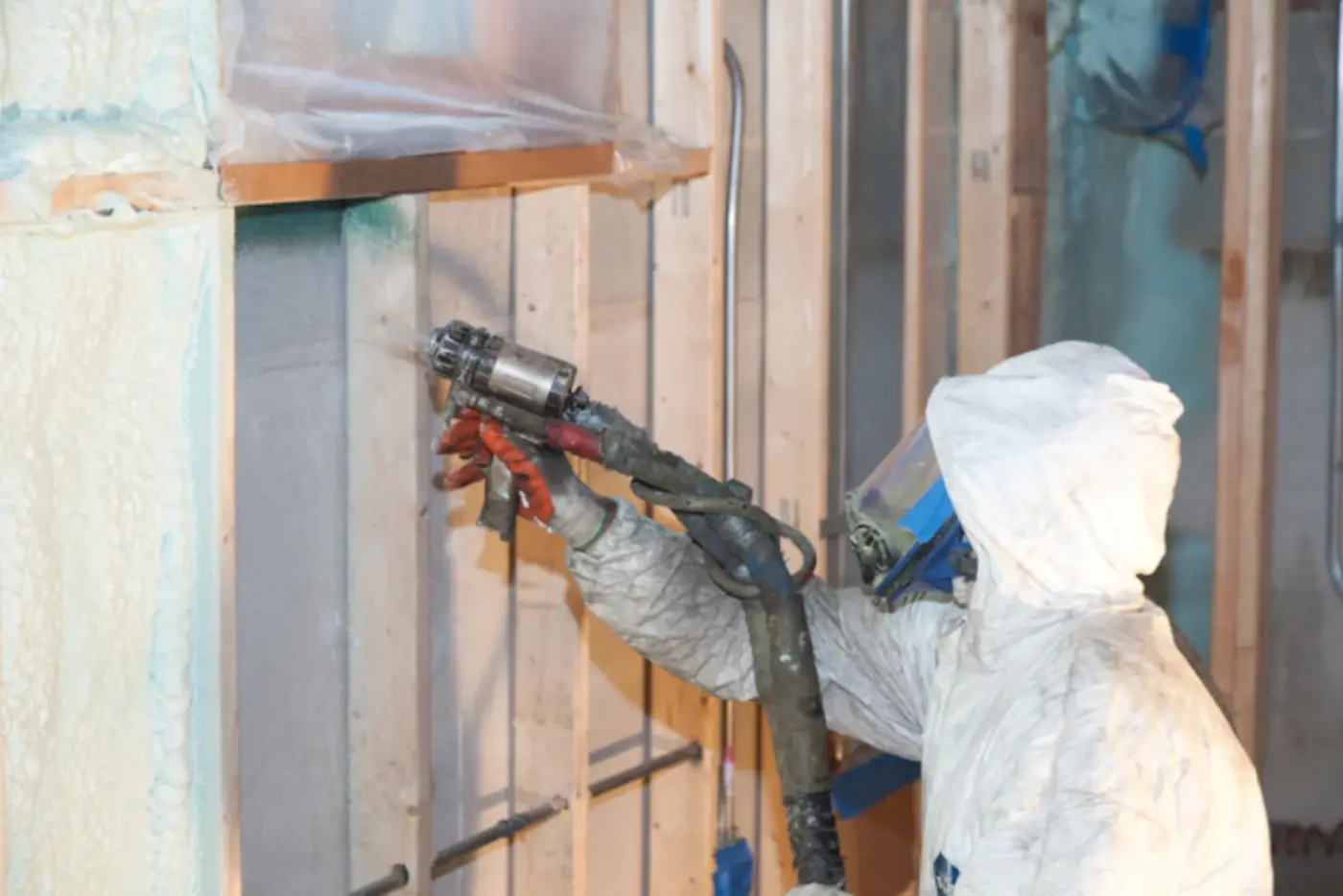
Open-Cell vs Closed-Cell Foam related work image for DenverSpray Foam Insulation planning image for DenverOpen-Cell vs Closed-Cell Foam jobsite context image
Call Now

Talk through open-cell vs closed-cell foam before scheduling

Call with photos, property type, access notes, timing, and any Denver constraints like temperature swings that reveal air leaks around attics, rim joists, and crawl spaces.

FAQ

Open-Cell vs Closed-Cell Foam FAQ

When should I ask about open-cell vs closed-cell foam?
Ask when the project needs help choosing foam type or when the issue affects safety, comfort, access, drainage, appearance, or a next phase of work.
What affects open-cell vs closed-cell foam scope?
Common scope factors include assembly type, code requirements, vapor behavior. In Denver, also mention older basements and crawl areas where comfort and moisture planning overlap.
Can it be quoted from photos only?
Photos help the first conversation, but exact recommendations usually need measurements, access details, and sometimes an on-site review.
What should I avoid?
Avoid choosing only from a fast guess. For open-cell vs closed-cell foam, cause, prep, cleanup, and garages, shops, and additions that need air sealing before finishing work matter.
Call Now (983) 213-6957